
Discover the best city to set up office in India...

What Makes the ODC Model the Future of Global IT Outsourcing?
In today’s rapidly evolving digital economy, organizations are under constant pressure to innovate faster, operate smarter, and optimize costs. As a result, nearly 70% of global enterprises now leverage outsourcing in some form to maintain competitiveness.
Among the many outsourcing strategies available, the Offshore Development Center (ODC) model has emerged as a cornerstone of modern IT operations. It combines the best aspects of cost-efficiency, agility, and global collaboration — making it the preferred model for businesses seeking scalable and sustainable growth.
This blog explores how the ODC model is reshaping the future of global IT outsourcing and why India continues to lead as the top destination for ODC setup.
What Is the ODC Model?
The Offshore Development Center (ODC) model is a strategic outsourcing approach where companies build a dedicated offshore team that operates as an extension of their in-house staff. Unlike traditional outsourcing, where vendors handle specific tasks, an ODC gives businesses full control over operations, processes, and outcomes, while benefiting from lower costs and access to global talent.
An ODC is typically set up through a trusted partner who provides the physical infrastructure, HR management, and compliance support allowing the client to focus solely on project execution, innovation, and delivery.
In simple terms, an ODC is your offshore software development hub fully aligned with your business goals, brand culture, and technical roadmap.
Why the ODC Model Is Gaining Global Momentum
The post-pandemic IT landscape has transformed how enterprises view offshoring. With distributed work becoming the new normal, the ODC model offers a structured way to combine remote efficiency with operational ownership.
Here’s why global businesses are increasingly adopting it:
1. Cost-Efficiency Without Compromise
Companies save 30–50% in operational costs by establishing offshore development centers, especially in markets like India and Southeast Asia. These savings stem from:
Lower labor costs compared to North America and Europe
Reduced infrastructure expenses (office space, utilities, compliance)
Streamlined operations through centralized offshore management
The ODC model allows companies to reinvest these savings into innovation, R&D, and product expansion — driving long-term competitive advantage.
2. Access to Global Talent and Expertise
India alone hosts over 5 million IT professionals, many with deep expertise in AI, cloud computing, DevOps, blockchain, and cybersecurity.
Through an ODC, companies can tap into this vast, specialized talent pool without lengthy recruitment cycles.
Key benefits include:
Rapid scalability across diverse technologies
Dedicated offshore teams aligned with your technical stack
Access to senior engineers and niche experts not easily available locally
3. Faster Time-to-Market
Speed is everything in the digital era. The ODC model enables 24/7 development cycles, leveraging time-zone differences for continuous progress.
While your local team wraps up the day, the offshore team continues development — ensuring round-the-clock productivity.
This results in:
Shorter release cycles
Accelerated product delivery
Continuous integration and testing workflows
4. Flexibility and Scalability
An ODC allows you to scale your offshore team up or down as per project requirements — without long-term hiring risks.
You can onboard 5 developers today and expand to 50 tomorrow, depending on project volume and demand.
This agility helps companies manage unpredictable workloads, seasonal demand spikes, and new product launches with ease.
5. Focus on Core Business Goals
By delegating development operations to an offshore team, internal stakeholders can focus on strategy, innovation, and customer engagement.
This balance allows companies to:
Improve efficiency and productivity
Maintain in-house focus on critical business areas
Leverage the ODC team for ongoing product support and enhancement

How the ODC Engagement Model Works
The ODC engagement model is not a one-size-fits-all solution — it’s designed for customization. Depending on the company’s goals, project complexity, and growth plans, businesses can choose among several structures:
Dedicated Team Model – A permanent, full-time offshore team that works exclusively on the client’s projects. Ideal for long-term engagements.
Project-Based Model – Offshore developers are assigned for specific deliverables or time-bound projects.
Hybrid Model – Combines a core dedicated team with flexible project-based hiring for additional support.
Each model ensures complete transparency, direct communication, and process alignment — offering both stability and scalability.
Why India Is the Preferred Destination for ODC Setup
India remains the global epicenter for offshore software development — and for good reason.
Large and Skilled Workforce: With millions of IT professionals entering the workforce each year, India offers both depth and diversity of technical expertise.
English Proficiency: Smooth communication and cultural compatibility make collaboration seamless.
Government Support: Favorable IT policies, tax incentives, and infrastructure development initiatives enhance India’s attractiveness for global ODC setup.
Mature IT Ecosystem: India’s established presence of global tech giants ensures a strong support ecosystem and talent pipeline.
The combination of cost efficiency, talent quality, and technological maturity makes ODC India the go-to choice for global enterprises.
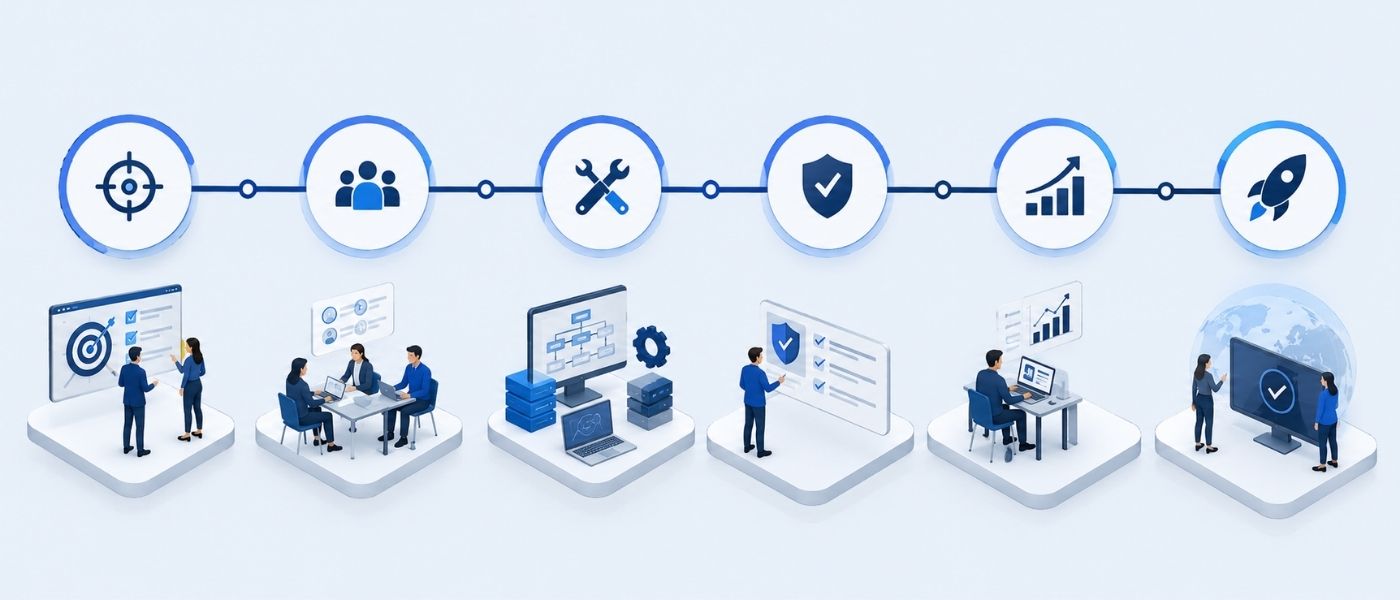
Steps to Set Up an ODC in India
Setting up an Offshore Development Center in India involves structured planning and collaboration. Here’s how to get started:
Define Objectives and Scope – Identify your project goals, required skill sets, and desired engagement model.
Select a Trusted ODC Partner – Partner with an experienced IT staff augmentation or offshore outsourcing provider that ensures transparency and scalability.
Establish Legal and Compliance Frameworks – Ensure adherence to local regulations, IP protection laws, and data-security policies.
Build the Right Team – Recruit skilled engineers, project managers, and QA specialists aligned with your goals.
Implement Communication Protocols – Use collaboration tools (Slack, Jira, Microsoft Teams) to maintain real-time updates and accountability.
Monitor, Optimize, and Scale – Continuously track KPIs, enhance productivity, and scale operations as needed.
Conclusion
The ODC model is not just an outsourcing trend — it’s the future of global IT operations. It enables businesses to combine cost savings, scalability, and innovation under one flexible structure.
Whether you’re a startup aiming for rapid product development or an enterprise expanding digital capacity, the ODC India model offers a proven pathway to sustainable growth and technological excellence.
Partnering with the right offshore development center can help you build resilient, high-performance teams — ensuring your organization stays ahead in an increasingly borderless digital economy.
Recent Post
How to Set Up an Offshore QA Center of Excellence in India: A Practical Guide for Global Teams
Learn how to set up an offshore QA center of...
Managed IT Services for Small Businesses: Complete Guide (2026)
Discover what managed IT services for small businesses actually include,...

iValuePlus Services
iValuePlus is a one-stop solution to address all your needs to access, build and grow your business in the Indian market which is cost-effective & has a huge talent pool. Established in 2019 as a ‘Business Solution provider', our team has delivered successful growth projects in the international market.
Our services include setting up ODC (offshore development center), Staff Augmentation, Talent Acquisition, Digital Marketing, in the IT/ITES domain.