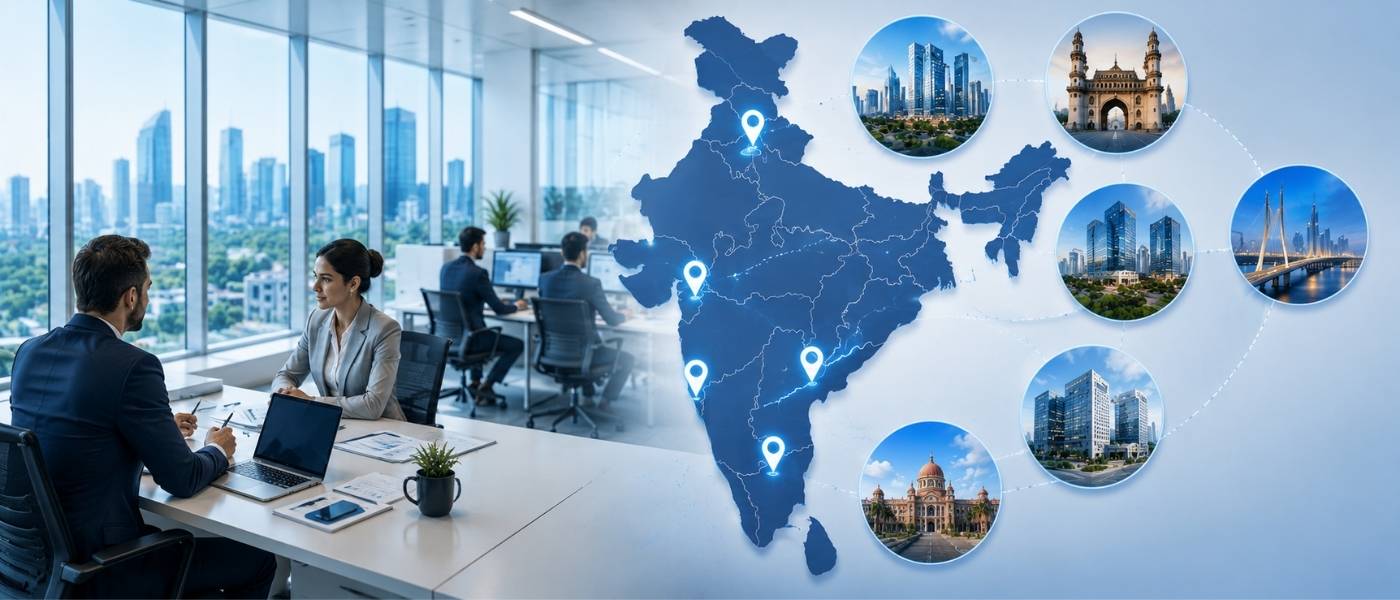

Discover the best city to set up office in India...

Partnering with IT Staff Augmentation Companies in India: What You Need to Know
April 9, 2025
Why Every Growing Business Needs an Offshore Software Development Center
April 10, 2025
Categories

BOT in India vs. Traditional Outsourcing: What Overseas Companies Need to Know
As global businesses look to expand into emerging markets, India continues to be a preferred destination due to its skilled workforce, competitive costs, and robust business ecosystem. Traditionally, companies have leveraged outsourcing to access India’s talent and resources. However, the Build Operate Transfer (BOT) model in India has gained prominence as a strategic alternative, offering greater control, scalability, and long-term advantages. This article explores the key differences between BOT in India vs. traditional outsourcing, highlighting why BOT is increasingly the preferred choice for overseas companies.
Understanding Traditional Outsourcing
Traditional outsourcing India involves delegating specific business processes or services to third-party providers. Companies gain access to specialized expertise and cost efficiencies without directly managing the operations. Common outsourcing services include IT support, finance and accounting, HR, and customer service.
While outsourcing offers flexibility, it comes with certain limitations:
Limited Control: Processes are managed externally, leaving companies dependent on third-party providers.
Potential Misalignment: External teams may not fully understand the company culture or strategic objectives.
Data Security Risks: Reliance on third-party systems may expose sensitive information.
Ongoing Costs: Continuous service fees without long-term asset ownership.
Despite these challenges, traditional outsourcing remains a viable solution for short-term projects or non-core functions.
Build Operate Transfer (BOT) Model in India
The BOT model India provides a structured framework for overseas companies aiming to establish a long-term presence in India. BOT is designed to combine operational control with a phased market entry, ensuring smooth scalability and strategic alignment.
How BOT Works
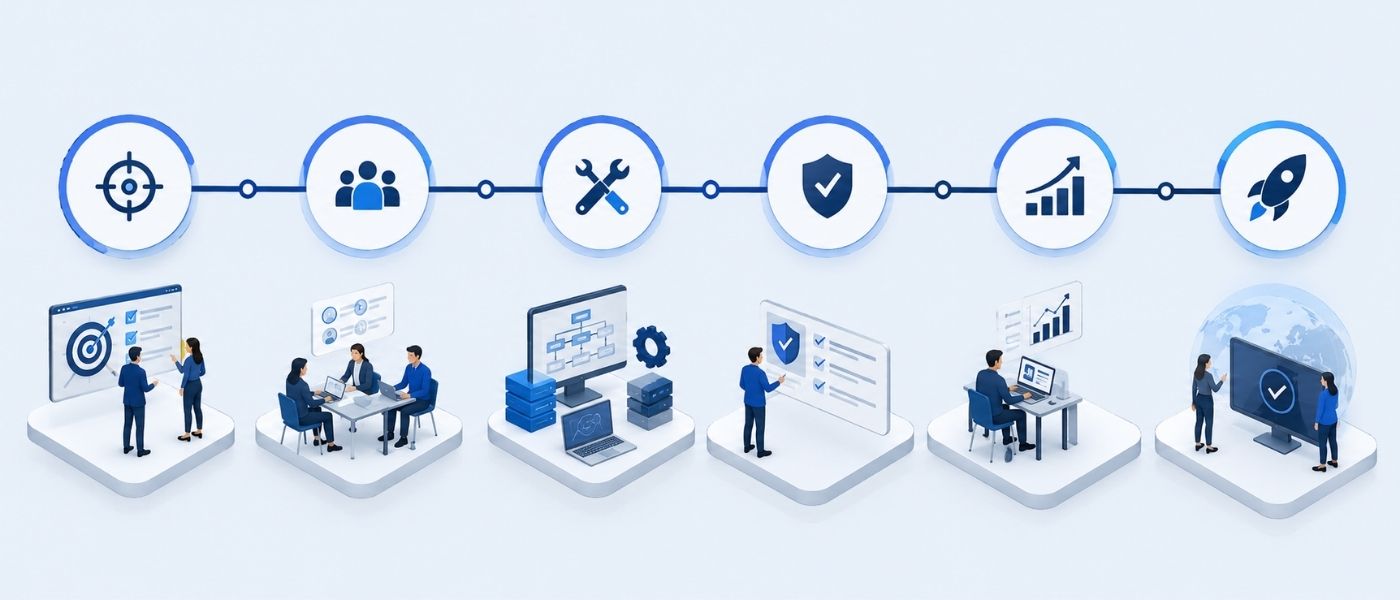
Build: A local partner sets up infrastructure, handles legal compliance, and recruits a skilled workforce tailored to your business needs.
Operate: The partner manages day-to-day operations, ensuring alignment with your company’s standards and objectives.
Transfer: Full ownership and operational control are transferred to the parent company after a predetermined period, allowing a seamless transition to an in-house operation.
Key Differences Between BOT in India and Traditional Outsourcing
| Feature | Traditional Outsourcing | BOT in India |
|---|---|---|
| Control & Ownership | Limited; provider manages operations | Gradual transfer; parent company gains full control |
| Strategic Alignment | May not reflect long-term goals | Operations built to mirror company vision |
| Risk Management | Dependent on third-party; higher operational risk | Phased control reduces risks and ensures compliance |
| Cost Implications | Ongoing fees; no asset accumulation | Initial investment leads to asset ownership and potential long-term savings |
| Talent Acquisition | External hiring by provider | Direct involvement ensures top-tier talent aligned with company culture |
| Scalability | Restricted by provider’s resources | Flexible and adjustable based on business demands |
Advantages of BOT in India
Overseas companies increasingly prefer BOT due to its long-term benefits:
Tailored Operations: Custom infrastructure and processes aligned with your business goals.
Enhanced Talent Access: Direct recruitment ensures culturally and technically aligned professionals.
Operational Control: Gradual transfer empowers full oversight of critical operations.
Intellectual Property Protection: BOT safeguards proprietary technologies and business processes.
Cost-Efficiency: While initial setup costs exist, BOT can lead to lower long-term operational expenses compared to continuous outsourcing fees.
Why iValuePlus is Your BOT Partner in India
At iValuePlus, we specialize in guiding overseas companies through the BOT model implementation in India. Our expertise ensures a seamless journey from setup to full operational control:
Infrastructure Setup: Establishing modern facilities equipped with advanced technology.
Talent Management: Recruiting and training professionals aligned with your corporate culture.
Operational Excellence: Ensuring efficiency, quality, and compliance in day-to-day operations.
Smooth Transition: Facilitating the hassle-free transfer of operations, granting you full ownership and control.
Partnering with iValuePlus ensures your India offshore development center is strategically designed for sustainable growth and success.
FAQs
Q1: Is BOT more expensive than traditional outsourcing?
Initial investment in BOT may be higher, but it leads to asset ownership and cost savings in the long run.
Q2: Can BOT model India protect my company’s IP?
Yes, BOT provides robust safeguards for intellectual property and proprietary processes.
Q3: How long does the transfer phase usually take?
Typically, 12–36 months depending on the business complexity and scale.
Q4: Which is better for overseas companies: BOT or traditional outsourcing?
For long-term strategic goals and operational control, BOT is superior. Outsourcing is suitable for short-term, non-core tasks.
Q5: Can BOT handle multiple business functions?
Yes, BOT can cover IT, finance, HR, customer service, and other critical functions tailored to your business needs.
Conclusion
While traditional outsourcing India offers cost efficiency and flexibility, the Build Operate Transfer model in India provides a strategic, long-term solution for overseas companies. BOT enables operational control, top-tier talent access, IP protection, and scalable operations.
By partnering with iValuePlus, overseas companies can establish a robust India presence, mitigate risks, and achieve sustainable growth while maintaining strategic alignment with global objectives.
Recent Post
How to Set Up an Offshore QA Center of Excellence in India: A Practical Guide for Global Teams
Learn how to set up an offshore QA center of...
Managed IT Services for Small Businesses: Complete Guide (2026)
Discover what managed IT services for small businesses actually include,...

iValuePlus Services
iValuePlus is a one-stop solution to address all your needs to access, build and grow your business in the Indian market which is cost-effective & has a huge talent pool. Established in 2019 as a ‘Business Solution provider', our team has delivered successful growth projects in the international market.
Our services include setting up ODC (offshore development center), Staff Augmentation, Talent Acquisition, Digital Marketing, in the IT/ITES domain.