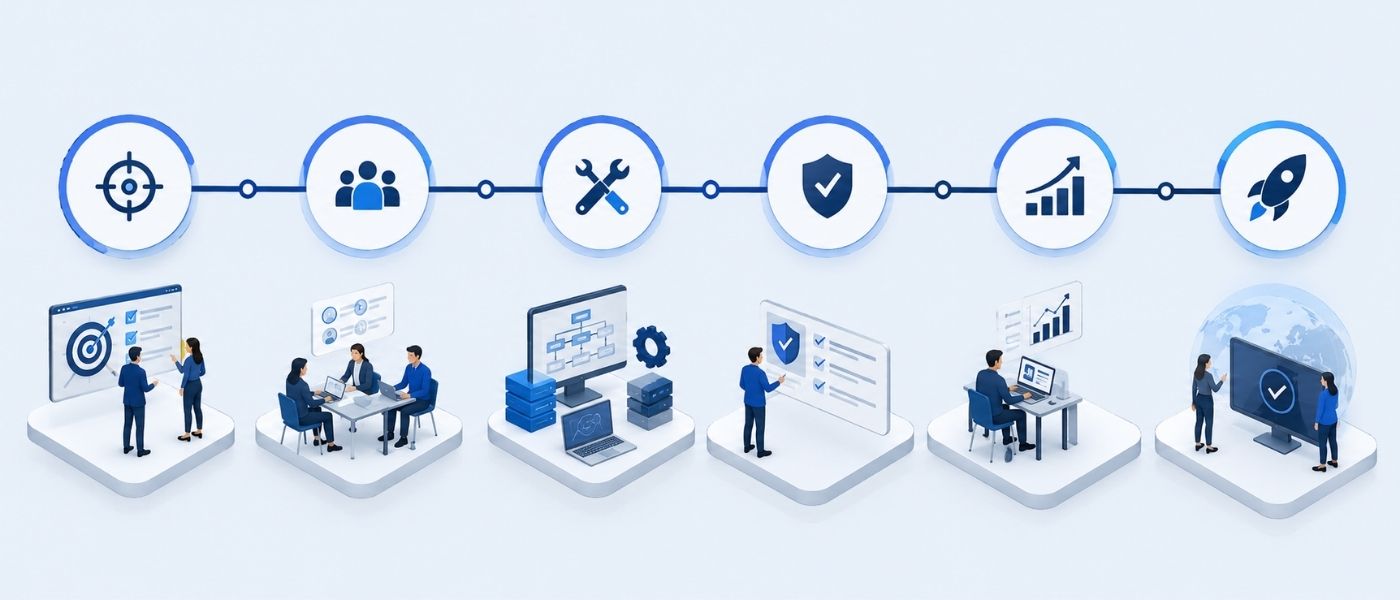

Discover the best city to set up office in India...

Digital transformation is necessary to survive in the modern world!
August 22, 2024
IVPHUB: Simplifying and Automating Business Operations
September 19, 2024
Categories
Tags
- benefits of offshore development centers
- build operate transfer model
- cost of setting up offshore development center
- dedicated offshore team
- global offshore development hub
- how to build an offshore development center
- how to manage offshore development center
- india offshore development center
- it offshore center
- IT outsourcing solutions
- key considerations for offshore development center
- nearshore vs offshore development
- ODC
- ODC setup
- offshore center
- offshore development
- offshore development center advantages
- offshore development center best practices
- offshore development center meaning
- offshore development center setup in india
- offshore development center structure and process
- offshore development challenges and solutions
- offshore development india
- offshore development model for startups
- offshore development partner
- offshore development strategy
- Offshore IT Services
- offshore outsourcing
- offshore project management
- offshore software development
- offshore software development model
- offshore team
- remote software development teams
- setting up an offshore development team
- setup an Offshore Development Center in India
- software engineering offshore team
- steps to establish an offshore development center


Building a Successful Offshore Development Center: Key Considerations
As global enterprises continue to embrace digital transformation, Offshore Development Centers (ODCs) have become a strategic pillar for innovation, scalability, and cost optimization. More than just an outsourcing model, a well-planned offshore development center functions as a long-term extension of your in-house team — delivering specialized skills, faster project execution, and sustainable business growth.
Setting up an ODC in India or other global tech hubs requires more than just hiring talent; it demands strategic foresight, operational excellence, and cultural alignment. This blog explores the key considerations for building a successful offshore development center in today’s evolving IT landscape.
Key Considerations:
1. Choosing the Right Location for Your Offshore Development Center
The foundation of any successful offshore development center setup begins with selecting the right location. The decision impacts your access to skilled talent, operational costs, and overall efficiency.
Key factors to evaluate:
Talent availability: India, the Philippines, and Eastern Europe remain leading destinations due to their deep IT talent pools and technical expertise.
Infrastructure readiness: Ensure reliable internet connectivity, power supply, and access to modern office spaces.
Political and economic stability: Choose countries with consistent business policies and a favorable investment climate.
Time zone alignment: Overlapping working hours with your headquarters can simplify communication and project management.
Operational cost efficiency: Compare labor, rent, and compliance costs to achieve maximum ROI.
India continues to lead as a global offshore development hub, offering cost-effective IT operations, robust infrastructure, and a large pool of skilled software engineers.
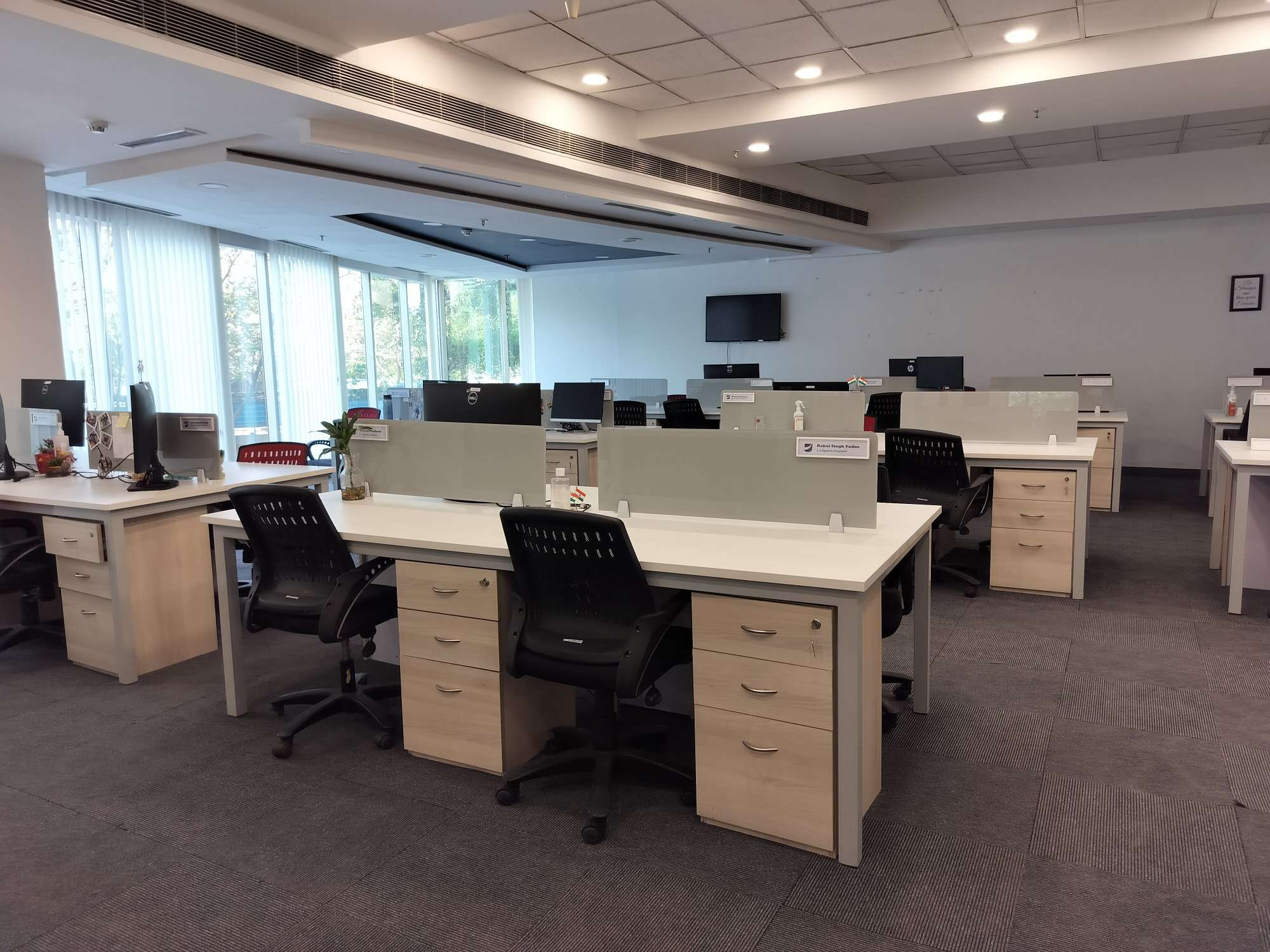
2. Setting Up the Infrastructure for Your ODC
An ODC’s efficiency largely depends on the strength of its infrastructure. Whether you lease or build, ensure your facility supports collaboration, productivity, and scalability.
Essential infrastructure components:
Office setup: Provide ergonomic, collaborative workspaces that balance privacy and teamwork.
Technology stack: Invest in secure servers, licensed software, and cloud-based tools to enable seamless development.
Security systems: Adopt enterprise-grade data protection, firewalls, and endpoint security measures to safeguard intellectual property.
Backup and disaster recovery: Implement robust backup systems and continuity plans to ensure uninterrupted operations.
A strong infrastructure setup lays the groundwork for a dedicated offshore development team that can deliver quality software without operational bottlenecks.
3. Communication and Collaboration Strategies
Smooth communication is vital to managing an offshore software development team effectively. The key is to bridge geographical and cultural gaps with transparency and technology.
Best practices for effective collaboration:
Establish clear communication channels using tools like Slack, Microsoft Teams, or Zoom.
Define standardized reporting structures and update frequencies.
Schedule overlapping work hours to allow real-time discussions and agile decision-making.
Encourage video calls for important meetings to enhance connection and engagement.
Promote cross-cultural awareness through sensitivity and diversity training.
A well-structured communication process ensures that your offshore IT services team stays aligned with project goals and company culture.
4. Addressing Cultural Differences and Building a Unified Team
Cultural understanding is one of the most underestimated factors in global collaboration. Recognizing and respecting differences builds trust, loyalty, and long-term productivity.
Key cultural considerations:
Work ethics and hierarchy: Understand how local teams view leadership and decision-making.
Communication tone: Adapt communication to fit local styles — some cultures prefer directness, others value subtlety.
Holidays and traditions: Respect local holidays and cultural practices when scheduling deliverables.
Recognition and inclusion: Appreciate contributions publicly and involve offshore teams in major company events.
Building a unified offshore workforce begins with empathy and mutual respect — not just policies and procedures.
5. Legal Compliance and ODC Setup Models
Before launching operations, it’s essential to understand the legal and structural frameworks available for your offshore development center setup in India or elsewhere.
Common models include:
Liaison Office: Ideal for initial research and representation (limited operations).
Branch Office: Allows for active business functions but requires more compliance.
Wholly-Owned Subsidiary: Provides full control over operations, IP, and finances.
Build-Operate-Transfer (BOT) Model: A strategic approach where a local partner sets up and manages your ODC until it’s ready to be transferred under your ownership.
Engage local legal experts to ensure tax compliance, labor law adherence, and data protection per local regulations.

6. Talent Acquisition and Retention Strategy
Your offshore development center’s success ultimately depends on the people driving it. Build a team that’s not only technically proficient but also aligned with your organizational values.
Talent acquisition best practices:
Use reputed recruitment platforms and IT staffing agencies.
Collaborate with local universities to access emerging talent.
Offer competitive salaries, training programs, and career growth opportunities.
Provide mentorship and leadership pathways to retain top performers.
Strong employer branding and consistent employee engagement help sustain an agile, motivated offshore development team.
7. Cost Optimization and Operational Efficiency
A major reason companies invest in offshore development in India is cost efficiency but this advantage must be balanced with long-term sustainability.
Key cost-saving strategies:
Leverage remote work models to minimize overhead.
Optimize resource utilization with flexible project-based hiring.
Adopt cloud-based tools to reduce infrastructure expenses.
Regularly review vendor contracts and operational costs.
Remember, the goal isn’t just to save money but to build a scalable, high-performance offshore development model that supports innovation.
8. Governance, Performance, and Continuous Improvement
To maintain control and consistency across your ODC, implement robust governance and performance frameworks.
Recommendations:
Define KPIs for productivity, quality, and innovation.
Conduct regular performance reviews and feedback sessions.
Maintain detailed documentation for knowledge transfer.
Encourage continuous learning and upskilling within your ODC teams.
Governance ensures accountability, transparency, and a shared sense of ownership between your onshore and offshore teams.
Conclusion
Establishing a successful Offshore Development Center goes far beyond setting up a remote office — it’s about creating a sustainable ecosystem of talent, technology, and trust. By focusing on strategic planning, cultural alignment, legal readiness, and continuous innovation, businesses can transform their ODCs into true centers of excellence.
As the global digital economy evolves, India remains a preferred destination for offshore software development — combining cost-effectiveness, technical expertise, and a thriving innovation culture.
If you’re planning to set up an Offshore Development Center in India, start by choosing the right partner and following a structured roadmap to ensure long-term success.
Recent Post
How to Set Up an Offshore QA Center of Excellence in India: A Practical Guide for Global Teams
Learn how to set up an offshore QA center of...
Managed IT Services for Small Businesses: Complete Guide (2026)
Discover what managed IT services for small businesses actually include,...

iValuePlus Services
iValuePlus is a one-stop solution to address all your needs to access, build and grow your business in the Indian market which is cost-effective & has a huge talent pool. Established in 2019 as a ‘Business Solution provider', our team has delivered successful growth projects in the international market.
Our services include setting up ODC (offshore development center), Staff Augmentation, Talent Acquisition, Digital Marketing, in the IT/ITES domain.