
Discover the best city to set up office in India...

Digital Marketing Strategies for Startups on a Tight Budget | Grow Smart in 2025
December 2, 2025
Building Competitive Advantage with Advanced Digital Marketing Strategies | 2025 Guide
December 3, 2025
Categories

The Future of Administration Services: Trends Driving Business Efficiency in 2026
In the past, administration services were viewed as back-office functions—important, but not strategic. They focused on routine tasks like data entry, documentation, scheduling, and office management. But from 2020 onward, rapid digital transformation, rising global competition, and the shift to hybrid work began to change everything.
By 2026, administration services are becoming one of the most critical pillars of business efficiency, especially as companies look for ways to streamline operations, reduce costs, and operate with fewer resources while maintaining high performance.
Businesses today need administration systems that are automated, intelligent, integrated, global, scalable, and cost-efficient. This shift is creating massive demand for advanced administration services across industries—including IT, retail, finance, healthcare, manufacturing, education, and professional services.
This article explores how administration services are evolving, the key trends shaping the industry in 2026, and how businesses can leverage them to build higher efficiency, better operations, and long-term competitive advantage.
Administration Services Have Evolved: From Support Function to Strategic Business Driver
Traditionally, administrative support was task-oriented. Employees or teams handled:
- Scheduling
- Filing
- Customer support
- Procurement coordination
- HR documentation
- Data entry
- Office management
But in 2026, administration has become strategic, not just operational. Why?
Businesses Are Under Pressure to Reduce Operational Costs
Inflation, global disruptions, remote work infrastructure, and talent shortages are pushing companies to optimize operations.
Admin services help companies do more with less.
The Shift to Remote & Hybrid Work Models
Over 60% of global organizations now operate hybrid functions.
Administration needs digital tools to handle distributed teams.
Automation & AI Have Redefined Admin Workflows
Smart, automated processes reduce manual effort and increase accuracy, turning admin services into value generators.
Outsourcing Is Becoming a Global Standard
More companies are outsourcing admin functions to countries like India for:
- Cost savings
- 24/7 operations
- Skilled talent
- Faster scaling
Businesses Need Centralized Digital Systems
To avoid data duplication, inefficiencies, and errors, companies need centralized admin solutions integrated across departments.
Key Trends Shaping the Future of Administration Services in 2026
Below are the most impactful trends transforming administration services into performance engines.
Trend 1: AI-Driven Administration Will Become Mainstream
Artificial Intelligence is no longer optional—it’s the backbone of modern administrative operations.
AI Assistants and AI Secretaries
AI-powered virtual assistants handle:
- Scheduling
- Email responses
- Meeting notes
- Travel planning
- Task prioritization
- Data analysis
AI assistants reduce admin workload by 40–60%.
AI for Document Management
AI now:
- Reads
- Categorizes
- Summarizes
- Extracts data from
- Organizes documentation
This eliminates manual errors and saves hours of admin effort.
Automated Reporting
AI creates automatic reports for HR, finance, procurement, and operations.
Predictive Administration
AI predicts:
- Workload spikes
- Employee requirements
- Resource needs
- Compliance risks
This helps businesses stay proactive instead of reactive.
In 2026, companies that use AI-driven admin systems save thousands of hours annually—and gain a competitive advantage competitors cannot easily replicate.
Trend 2: Automation Will Handle 70% of Traditional Admin Tasks
The impact of automation on administrative services is massive. By 2026, almost 70% of repetitive admin tasks will be automated.
Key processes going fully automated include:
Leave and attendance management
Biometric devices + cloud attendance + app-based tracking = zero manual inputs.
Payroll preparation
AI-based payroll eliminates errors, compliance risks, and manual calculations.
Onboarding workflows
Digital onboarding includes automated documents, training modules, approvals, and checklists.
Document approvals
E-signature workflows eliminate delays and paper dependencies.
Helpdesk & ticketing
Automated routing solves issues faster and reduces support burden.
Automation doesn’t replace admin teams—it upgrades them.
Instead of data entry, admins focus on:
- Process optimization
- Stakeholder coordination
- Compliance
- Vendor management
- Employee support
This shift elevates the admin function’s value across the business.
Trend 3: Outsourced Administration Services Will Skyrocket Globally
Outsourcing is becoming the new operating model for companies worldwide.
Why?
Businesses want:
- Lower operational costs
- Access to skilled support
- Faster scaling
- 24/7 productivity
- Better efficiency
- Fewer hiring risks
India, in particular, remains the top global destination for outsourced administration services.
Types of administration services being outsourced include:
- HR administration
- Finance & accounts admin
- Recruitment coordination
- Customer support
- Data management
- Procurement support
- Compliance documentation
- Operations coordination
Why India Leads the Global Admin Outsourcing Market
- Strong English communication
- Skilled admin professionals
- Cost savings of up to 60%
- Time zone advantage
- Mature outsourcing ecosystem
- Ability to scale quickly
In 2026 and beyond, outsourcing is not just a way to cut costs—it’s a way to build operational excellence.
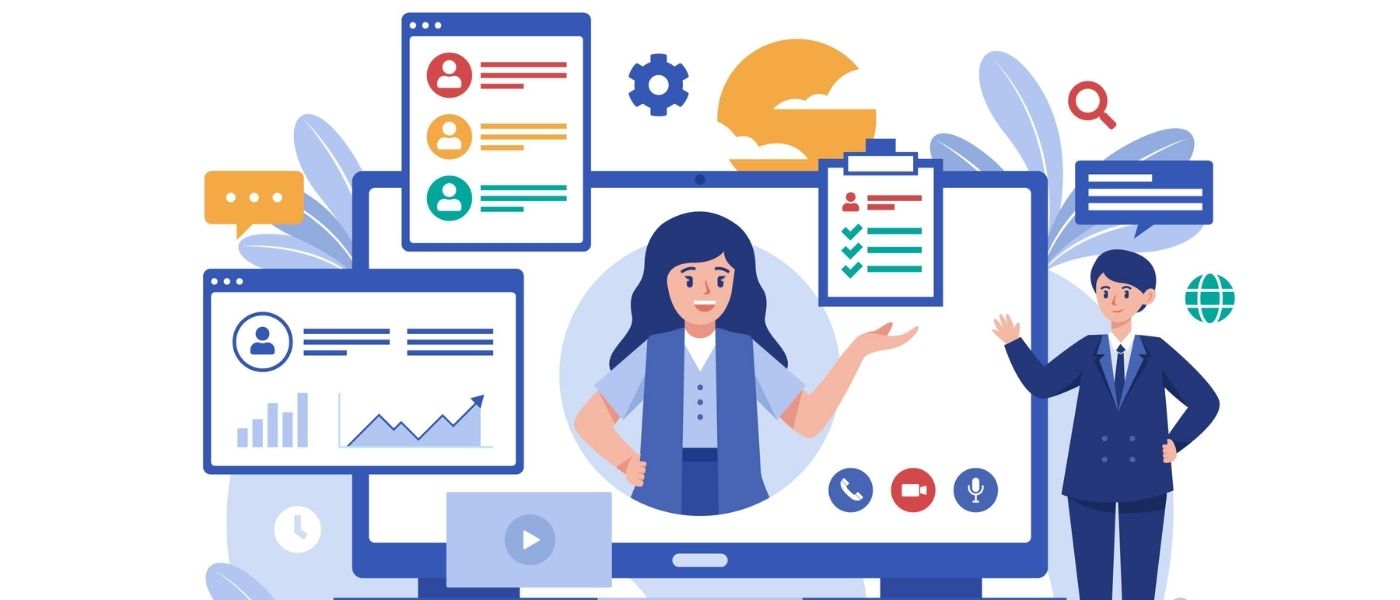
Trend 4: Centralized Digital Platforms Will Replace Paperwork & Manual Silos
Businesses suffer when admin tasks are scattered across tools, emails, and spreadsheets.
In 2026, companies are rapidly adopting integrated administration platforms like:
- CRM
- ERP
- ATS
- Project management platforms
- Digital asset management systems
Benefits of centralized admin tools:
- One source of truth
- Zero duplication
- Faster approvals
- Data accuracy
- Improved collaboration
- Better reporting
- Higher compliance
Centralization leads to better decision-making and eliminates inefficiencies caused by manual admin processes.
Trend 5: Administration Services Will Shift from Reactive to Proactive
Earlier, admin teams responded to issues. Now, with better tools and systems, administration is becoming proactive.
Examples:
- Predicting resource requirements
- Automating reminders before deadlines
- Identifying compliance gaps early
- Anticipating employee needs
- Planning operations in advance
Proactive administration reduces delays, improves productivity, and ensures smoother workflows across departments.
Trend 6: Remote & Hybrid Work Will Demand Digital-First Administration
Remote work isn’t going anywhere. By 2026:
- 74% of companies operate in hybrid mode
- 39% of global employees work remotely at least twice a week
This new model requires admin teams to develop digital-first capabilities, including:
- Virtual onboarding
- Remote attendance systems
- Cloud-based documentation
- Digital collaboration
- Remote access IT provisioning
- Online training modules
- Remote vendor management
Companies that don’t upgrade their admin systems to support hybrid work will fall behind in productivity and employee satisfaction.
Trend 7: Cybersecurity & Compliance Will Play a Bigger Role in Administration
As admin functions become digital and data-heavy, security and compliance become critical.
Security priorities for 2026 include:
- Data encryption
- Access controls
- Secure file sharing
- Compliance automation
- Role-based permissions
- GDPR and global policy alignment
Admin teams will manage:
- Data safety
- Vendor security checks
- Document confidentiality
- Audit trails
- Compliance reporting
Administration is becoming a gatekeeper of business security.
Trend 8: Experience-First Administration Will Become the Standard
Admin teams shape internal experiences for employees, customers, and vendors.
In 2026, experience-first administration is emerging as a competitive advantage.
Employee Experience
Smooth onboarding, seamless approvals, timely support = higher retention.
Customer Experience
Admin coordination ensures faster service responses.
Vendor Experience
Digital systems enable smoother procurement and faster payments.
Experience-first administration improves relationships across the ecosystem—boosting brand reputation and business efficiency.

Trend 9: Data-Driven Administration Will Enable Smarter Decision-Making
In 2026, admin services will rely heavily on analytics for:
- Workload projections
- Productivity measurement
- Attendance trends
- Workflow efficiency
- Vendor costs
- Procurement spending
- Employee lifecycle insights
- Operational bottlenecks
Data-driven administration helps leaders make:
- Faster decisions
- Better forecasts
- Stronger strategies
This transforms administration from a support function into a strategic unit.
Trend 10: Global Businesses Will Adopt Admin-as-a-Service (AaaS)
Admin-as-a-Service is becoming a game-changer.
AaaS offers:
- On-demand admin support
- Scalable resources
- Pay-as-you-go pricing
- 24/7 operations
- Expertise across admin domains
This model is ideal for:
- Startups
- SMEs
- Global companies expanding into new markets
- Fast-scaling businesses
- Enterprises wanting cost reduction
AaaS reduces overheads and ensures consistent administrative performance.
How Businesses Benefit from Modern Administration Services
- Higher Productivity
Automated workflows reduce delays, errors, and manual work.
- Lower Operational Costs
Outsourcing + automation = significant cost savings.
- Faster Decision-Making
Data-driven insights improve operational clarity.
- Better Employee Experience
Smooth admin processes improve morale, retention, and engagement.
- Higher Compliance
Digital documentation ensures consistent legal and regulatory alignment.
- Ability to Scale Faster
Admin systems can support business expansion without additional overhead.
- Better Stakeholder Experience
Customers, vendors, and employees enjoy seamless interactions.
The Road Ahead: What to Expect Beyond 2026
Administration services will continue evolving, with major shifts expected by 2028–2030:
Fully autonomous admin workflows
Workflows will execute themselves using AI.
Digital humans & AI receptionists
AI avatars will handle admin communication.
Blockchain-based documentation
Smart contracts will control approvals and confidentiality.
Predictive workforce management
Admin systems will identify employee needs before they arise.
Global virtual administration teams
AI + human teams will work together across time zones.
Companies that start upgrading now will lead their industries in efficiency and operational excellence.
Conclusion
In 2026, administration services are no longer about paperwork or routine tasks—they are about:
- Automation
- AI
- Data intelligence
- Experience
- Scalability
- Security
- Efficiency
Companies that embrace these trends will:
- Reduce costs
- Improve productivity
- Enhance employee and customer experience
- Operate more efficiently
- Gain long-term competitive advantage
The future belongs to businesses that combine technology + smart administration + strategic outsourcing to build powerful, efficient, scalable operations.
Recent Post
How to Set Up an Offshore QA Center of Excellence in India: A Practical Guide for Global Teams
Learn how to set up an offshore QA center of...
Managed IT Services for Small Businesses: Complete Guide (2026)
Discover what managed IT services for small businesses actually include,...

iValuePlus Services
iValuePlus is a one-stop solution to address all your needs to access, build and grow your business in the Indian market which is cost-effective & has a huge talent pool. Established in 2019 as a ‘Business Solution provider', our team has delivered successful growth projects in the international market.
Our services include setting up ODC (offshore development center), Staff Augmentation, Talent Acquisition, Digital Marketing, in the IT/ITES domain.