
Discover the best city to set up office in India...

India’s GCC Advantage: Turning Short-Term Augmentation into Long-Term Capability
The Shift from Temporary Talent to Sustainable Capability
For years, staff augmentation has helped global enterprises plug short-term skill gaps, expand delivery capacity, and stay agile in fast-moving markets. Yet as digital transformation accelerates, agility alone is no longer enough. Businesses now seek continuity, control, and capability — not just outsourced capacity.
That’s where India’s GCC advantage stands out. What began as an offshore support model has evolved into a strategic powerhouse — a place where companies build Global Capability Centres (GCCs) to drive innovation, deliver global operations, and create sustainable business value.
Understanding the GCC Advantage
The GCC advantage lies in combining operational flexibility with strategic ownership.
Unlike staff augmentation, where teams are temporary or project-based, a Global Capability Centre allows enterprises to build dedicated, long-term teams that align with their culture, technology stack, and global objectives.
A well-structured GCC brings:
- Process consistency across regions
- IP and data security under enterprise control
- Talent retention with an in-house culture
- Scalability without dependence on vendors
It transforms a transactional approach into a capability-driven ecosystem making the GCC not just a cost centre but a core growth engine for global operations.
Why India Is the Heart of Global Capability Centres
When it comes to establishing a Global Capability Centre, India leads the world and not by chance.
The country offers a blend of skilled talent, technological maturity, and business scalability unmatched by any other destination.
Key reasons behind India’s GCC leadership:
Deep talent pool: India’s tech and business workforce offers a wide range of domain expertise — from software engineering to finance and operations.
Mature ecosystem: India’s GCC ecosystem has evolved over two decades, hosting more than 1,600 global capability centres across industries.
Cost efficiency: Companies achieve 30–50% lower operating costs compared to onshore setups.
Time zone synergy: Seamless collaboration across global offices enables true “follow-the-sun” operations.
Policy support: The Indian government’s pro-digital, pro-investment policies make setting up GCCs faster and easier.
Together, these factors create what we call the India GCC Advantage — where enterprises transform from dependency to autonomy, from outsourcing to ownership.
From Staff Augmentation to GCC: A Natural Progression
For many organizations, staff augmentation serves as the first step toward a larger vision.
It helps companies test markets, manage delivery spikes, and understand offshore talent dynamics. But as these operations stabilize, the question arises:
Should we continue augmenting — or build something sustainable?
That’s where transitioning to a GCC model becomes logical.
A Global Capability Centre offers:
Operational control: Your teams, your processes, your quality standards.
Cultural alignment: A dedicated workforce that mirrors your enterprise DNA.
Knowledge retention: No more starting over when contracts end.
Strategic scalability: The flexibility to expand across functions and technologies under one roof.
Essentially, the GCC advantage converts short-term solutions into long-term enterprise strength.
The Business Impact of India’s GCC Advantage
Enterprises that leverage India’s GCC ecosystem are not just reducing costs they’re creating value. Innovation at scale: GCCs in India now lead digital R&D, automation, and analytics initiatives for global corporations. Operational resilience: During global disruptions, Indian GCCs ensured business continuity across IT, finance, and supply chains. Strategic partnerships: Many global firms now use their India GCCs as “innovation labs” and “global excellence hubs.” Talent pipeline: With ongoing upskilling and local collaboration, GCCs ensure a future-ready workforce aligned to business goals.
In essence, a GCC turns what used to be an external dependency into an internal advantage, one that compounds over time.
Building the Right GCC Model for Your Enterprise
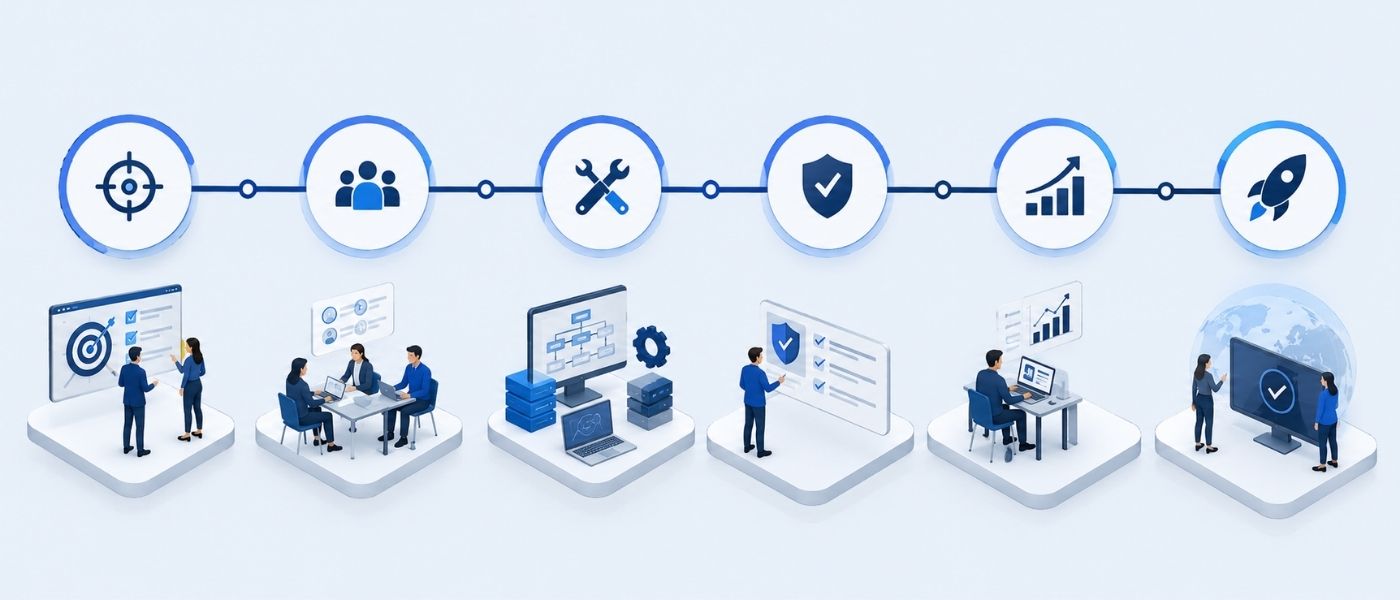
Setting up a Global Capability Centre in India requires more than just infrastructure — it needs a strategic framework.
Here’s what leading organizations focus on when making the shift:
Assess maturity: Identify if your current staff augmentation setup has reached a scalability threshold.
Define purpose: Is the GCC focused on technology, operations, R&D, or multi-function integration?
Choose the right partner: Experienced GCC enablers and offshore development centre specialists can accelerate setup, compliance, and operations.
Plan for sustainability: Build governance, retention, and capability development from day one.
A well-planned GCC doesn’t replace staff augmentation — it extends its value into a more stable, growth-oriented model.
Conclusion
The global shift from outsourcing to capability-building is unmistakable — and India stands at its centre. What started as a way to access affordable talent has evolved into a strategy to own, scale, and innovate globally. The India GCC Advantage lies not just in cost savings, but in long-term capability creation. For enterprises that began with staff augmentation, establishing a Global Capability Centre in India is the natural next step — a move from flexibility to sustainable global excellence.
Recent Post
How to Set Up an Offshore QA Center of Excellence in India: A Practical Guide for Global Teams
Learn how to set up an offshore QA center of...
Managed IT Services for Small Businesses: Complete Guide (2026)
Discover what managed IT services for small businesses actually include,...

iValuePlus Services
iValuePlus is a one-stop solution to address all your needs to access, build and grow your business in the Indian market which is cost-effective & has a huge talent pool. Established in 2019 as a ‘Business Solution provider', our team has delivered successful growth projects in the international market.
Our services include setting up ODC (offshore development center), Staff Augmentation, Talent Acquisition, Digital Marketing, in the IT/ITES domain.