
Discover the best city to set up office in India...

How to Manage Payroll Compliance in India: A Complete Guide
Managing payroll in India is more than just paying salaries—it’s about complying with a complex set of laws and regulations.
From Provident Fund (PF) and Employee State Insurance (ESI) to tax deductions and labor laws, businesses must ensure accuracy and timeliness in every payroll cycle.
Failure to comply can lead to:
- Legal penalties
- Employee dissatisfaction
- Financial losses
- Reputational damage
This is why payroll compliance in India is a critical function for startups, SMEs, and global enterprises alike.
What Is Payroll Compliance?
Payroll compliance refers to adhering to all legal and regulatory requirements related to employee compensation.
Key Elements of Payroll Compliance
- Salary calculation
- Tax deductions (TDS)
- Statutory contributions (PF, ESI)
- Payslip generation
- Filing returns
Key Payroll Laws in India
Understanding Indian labor laws is essential for compliance.
- Provident Fund (PF)
Overview
A retirement savings scheme for employees.
Applicability
- Mandatory for companies with 20+ employees
Contribution
- Employer: 12%
- Employee: 12%
- Employee State Insurance (ESI)
Overview
Provides medical and cash benefits.
Applicability
- Employees earning ≤ ₹21,000/month
Contribution
- Employer: 3.25%
- Employee: 0.75%
- Professional Tax (PT)
- State-specific tax
- Deducted monthly
- Tax Deducted at Source (TDS)
- Deducted as per income tax slabs
- Filed with the Income Tax Department
- Payment of Gratuity Act
- Applicable after 5 years of service
- Minimum Wages Act
- Ensures minimum salary standards
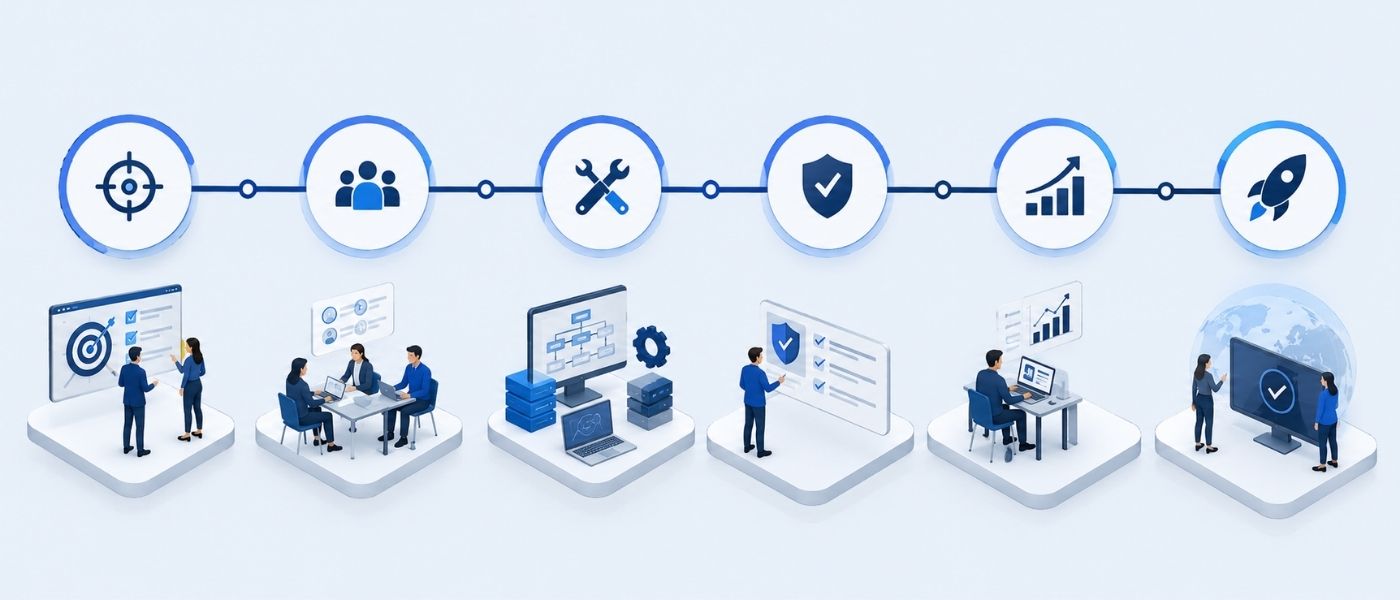
Step-by-Step Process to Manage Payroll Compliance in India
Step 1: Employee Classification
Correctly classify employees as:
- Full-time
- Contractual
- Consultants
This affects compliance requirements.
Step 2: Salary Structure Design
A compliant salary structure includes:
- Basic salary
- HRA (House Rent Allowance)
- Allowances
- Deductions
Step 3: Statutory Registrations
Before payroll processing, register for:
- PF (EPFO)
- ESI
- Professional Tax
- TAN (for TDS)
Step 4: Payroll Processing
Calculate:
- Gross salary
- Deductions (PF, ESI, TDS)
- Net salary
Step 5: Payslip Generation
Provide detailed payslips including:
- Earnings
- Deductions
- Net pay
Step 6: Timely Payments
Ensure:
- Salary is paid on time
- Statutory dues are deposited within deadlines
Step 7: Filing Returns
Monthly / Quarterly Filings
- PF returns
- ESI returns
- TDS filings
Step 8: Maintain Records
Keep records of:
- Employee details
- Salary data
- Compliance filings
Common Payroll Compliance Challenges in India
- Frequent Regulatory Changes
Laws and rates are updated regularly.
- Complex Calculations
Multiple deductions increase complexity.
- Manual Errors
Spreadsheet-based payroll leads to mistakes.
- Multi-State Compliance
Different states have different rules.
- Employee Misclassification
Leads to legal risks.
Best Practices for Payroll Compliance
- Automate Payroll Systems
Use payroll software to reduce errors.
- Stay Updated with Laws
Regularly track regulatory changes.
- Standardize Processes
Create clear payroll policies.
- Conduct Regular Audits
Ensure compliance accuracy.
- MaintainTransparency
Share clear payslips with employees.
Penalties for Non-Compliance
Failure to comply can result in:
- Heavy fines
- Legal action
- Interest on delayed payments
- Business disruptions
Role of Technology in Payroll Compliance
- Payroll Software
Automates calculations and filings.
- AI and Automation
Reduces errors and improves efficiency.
- Cloud Platforms
Provide real-time access to payroll data.
Outsourcing Payroll Compliance: A Strategic Advantage
Managing payroll in-house can be complex and time-consuming.
Benefits of Outsourcing
- Compliance accuracy
- Reduced administrative burden
- Cost efficiency
- Access to experts

How iValuePlus Helps with Payroll Compliance in India
iValuePlus provides end-to-end payroll and compliance solutions for businesses and startups.
Key Services
- Payroll processing
- PF, ESI, and TDS compliance
- Payslip generation
- Regulatory filings
Why Choose iValuePlus?
- Expert compliance team
- Scalable solutions
- Cost-effective services
- End-to-end support
Future Trends in Payroll Compliance in India
- AI-Driven Payroll Systems
Automated compliance checks
- Integrated HR & Payroll Platforms
Seamless operations
- Real-Time Compliance Monitoring
Instant updates and alerts
- Remote Workforce Compliance
Handling global teams
Conclusion
Payroll compliance in India is complex—but manageable with the right approach.
By:
- Understanding laws
- Automating processes
- Partnering with experts
Businesses can ensure compliance while focusing on growth.
With a trusted partner like iValuePlus, payroll management becomes seamless, accurate, and scalable.
Struggling with payroll compliance in India?
Get in touch with us to simplify your payroll processes, ensure accuracy, and stay fully compliant—while you focus on growing your business.
FAQs
- What is payroll compliance in India?
It includes adhering to laws related to salary, taxes, and employee benefits.
- Is PF mandatory for all companies?
Yes, for companies with 20+ employees.
- What is the biggest payroll challenge?
Managing multiple compliance requirements.
- Can startups outsource payroll?
Yes, it is a cost-effective solution.
- Why choose ValuePlus?
For reliable and compliant payroll management.
Recent Post
How to Set Up an Offshore QA Center of Excellence in India: A Practical Guide for Global Teams
Learn how to set up an offshore QA center of...
Managed IT Services for Small Businesses: Complete Guide (2026)
Discover what managed IT services for small businesses actually include,...

iValuePlus Services
iValuePlus is a one-stop solution to address all your needs to access, build and grow your business in the Indian market which is cost-effective & has a huge talent pool. Established in 2019 as a ‘Business Solution provider', our team has delivered successful growth projects in the international market.
Our services include setting up ODC (offshore development center), Staff Augmentation, Talent Acquisition, Digital Marketing, in the IT/ITES domain.