
Discover the best city to set up office in India...
Categories
Tags
- benefits of IT infrastructure management
- business IT systems
- data center management
- importance of IT infrastructure management
- infrastructure management
- it infrastructure
- IT infrastructure management model
- IT management
- IT monitoring
- IT operations
- it services
- IT support
- network management
- office IT infrastructure checklist
Why Your Business Needs a Robust IT Infrastructure Management Model
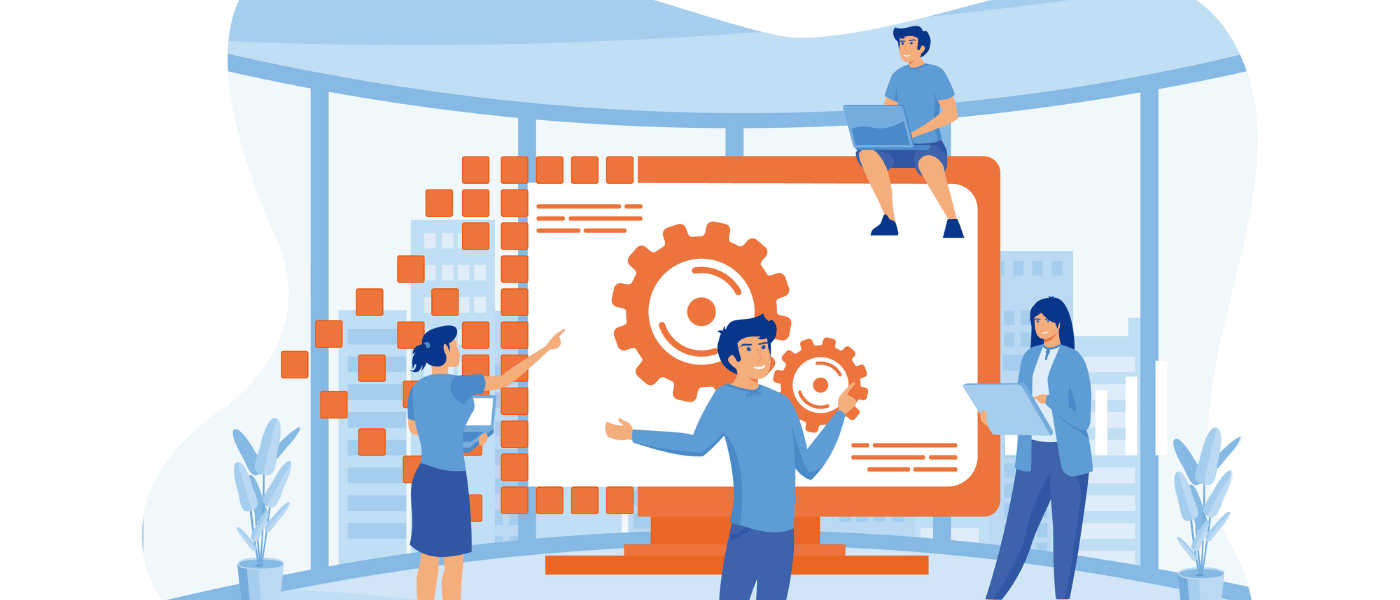
In today’s digital-first world, IT infrastructure management is no longer a back-end task—it’s the foundation of business productivity, agility, and resilience. A well-structured IT infrastructure strategy ensures every system, application, and network works seamlessly to support growth, security, and innovation.
Whether you’re setting up a new office infrastructure or optimizing your existing IT management model, efficient infrastructure directly translates into smoother operations, fewer disruptions, and better outcomes.
Why IT Infrastructure Management Matters
A modern business runs on technology—networks, servers, software, and data. But without proper infrastructure management, even the best tools can lead to inefficiencies, downtime, and security risks.
Here’s how structured IT infrastructure management fuels productivity and operational success:
1. Reduced Downtime and Enhanced Efficiency
System monitoring, automated alerts, and proactive maintenance ensure minimal interruptions. When your IT operations are stable, your workforce stays focused on tasks that create business value.
2. Seamless Collaboration
Integrated communication systems, secure cloud environments, and fast data accessibility help teams collaborate across departments and geographies effortlessly—driving innovation and execution speed.
3. Optimized Resource Utilization
Through IT infrastructure optimization, organizations can balance workloads, monitor performance, and eliminate redundant systems—cutting costs and boosting output.
Takeaway: A proactive infrastructure management approach ensures that your systems are always performing at their best—maximizing productivity across your enterprise.
The Security Imperative in IT Infrastructure Management
Cybersecurity remains a top concern for every business. According to recent studies, nearly 60% of small and mid-sized firms face operational setbacks after a data breach.
Effective infrastructure management ensures enterprise IT resilience through continuous security and governance.
Key Security Practices:
Firewalls and Encryption: Use end-to-end encryption and network firewalls to secure sensitive information in motion and at rest.
Access Control: Define clear access hierarchies, implement multi-factor authentication, and monitor user activities to prevent unauthorized access.
Disaster Recovery: Establish automated backups and data center management plans to recover quickly from system failures or cyberattacks.
Takeaway: Embedding security within your IT infrastructure lifecycle management protects your business from data loss, downtime, and compliance penalties.
Outsourcing IT Infrastructure Management: A Smarter Move
Managing complex digital ecosystems in-house can strain both time and resources. Partnering with IT infrastructure management companies allows businesses to focus on growth while experts handle systems and networks.
Benefits of Outsourced Infrastructure Management:
Expertise & Scalability: Access specialized professionals who design, monitor, and scale your infrastructure as your needs evolve.
Cost Efficiency: Save on recruitment, training, and tools by leveraging managed IT services at a predictable cost.
24/7 IT Support: Continuous monitoring and proactive management reduce downtime and performance issues.
Takeaway: Outsourcing IT infrastructure management ensures smooth operations, expert guidance, and measurable ROI.
IT Infrastructure Management Services in India: A Global Edge
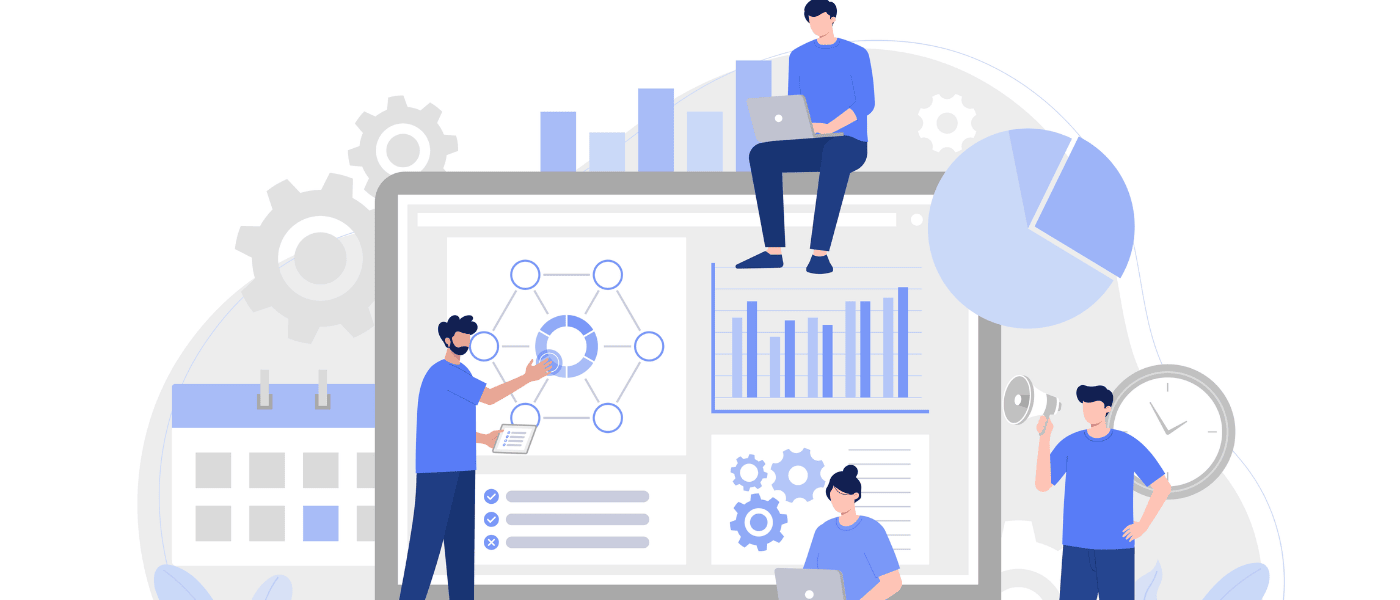
India has become a global hub for infrastructure management services, offering advanced solutions with cost-efficiency and scalability. Businesses worldwide partner with Indian IT service providers to optimize hybrid IT environments and cloud infrastructure management.
Why India Stands Out:
Highly Skilled Talent: India’s IT professionals bring deep expertise in network management, IT asset management, and data center optimization.
Competitive Pricing: Outsourcing to India provides premium services without heavy capital investment.
Scalable IT Frameworks: Providers can quickly expand your IT infrastructure model to match business growth.
Takeaway: India’s IT ecosystem provides high-value, scalable, and secure infrastructure management solutions for global enterprises.
Why Security is at the Core of IT Infrastructure Management
What would you do if your sensitive data was suddenly compromised? The consequences of a data breach are severe. In fact, 60% of small businesses shut down within six months of a major cyber attack. Managing IT infrastructure with security in mind should be your top priority.
Here’s how robust IT infrastructure management protects your business from security risks:
- Firewalls and Encryption: Ensure all sensitive data is encrypted and secure while in transit.
- Access Control: Implement strict user access controls and monitoring to prevent unauthorized access.
- Disaster Recovery: Regular backups and recovery plans ensure that your business can bounce back quickly in case of a cyber attack or system failure.
Takeaway: Proactive IT infrastructure management keeps your data and systems secure, reducing the risk of costly security breaches.
IT Infrastructure Checklist for Modern Businesses
Before upgrading or deploying your systems, ensure your IT setup meets essential benchmarks for reliability, scalability, and compliance.
Key Elements of an Office IT Infrastructure Checklist:
Network Security: Deploy firewalls, endpoint protection, and intrusion detection tools.
Data Backups: Use automated, cloud-based backup solutions with redundancy.
Scalability: Choose cloud-ready and hybrid frameworks that support future growth.
Compliance & Governance: Stay aligned with data privacy laws like GDPR and IT governance standards.
Performance Monitoring: Implement proactive monitoring systems to detect issues before they impact users.
Takeaway: Following a structured IT infrastructure checklist ensures reliability, efficiency, and long-term scalability.
The Future of IT Infrastructure Management
As organizations accelerate digital transformation, infrastructure management continues to evolve—from traditional server management to intelligent, automated, and hybrid environments.
Emerging trends include:
AI-Driven IT Automation Tools for predictive maintenance.
Cloud-Native Operations for agility and cost optimization.
Enhanced IT Governance frameworks ensuring compliance and accountability.
Data-Driven Insights improving resource allocation and operational resilience.
Takeaway: The future belongs to businesses that treat IT infrastructure as a strategic asset, not just a technical function.
FAQs
1. What is IT infrastructure management?
It’s the process of managing and optimizing an organization’s hardware, software, networks, and data systems to ensure smooth operations and security.
2. Why is IT infrastructure important for businesses?
A strong IT infrastructure boosts productivity, ensures data security, supports scalability, and minimizes downtime.
3. What are the key components of IT infrastructure management?
They include network management, data storage, servers, cybersecurity, and cloud systems.
4. How does outsourcing IT infrastructure help businesses?
Outsourcing provides expert management, reduces costs, improves uptime, and lets companies focus on core goals.
5. What are best practices for managing IT infrastructure?
Regular monitoring, automated backups, security updates, and scalable cloud solutions ensure reliability and growth.
Conclusion
Modern IT infrastructure management lies at the core of business success—enabling secure, scalable, and high-performing operations. Whether through in-house optimization or outsourcing, managing your IT environment strategically ensures agility, resilience, and sustainable growth.
If your business aims to enhance productivity, strengthen security, and prepare for digital transformation, investing in robust IT infrastructure management services is the key to staying ahead.
Ready to get started? If you’re looking for a reliable IT infrastructure management partner, get in touch with us today, and let’s talk about how we can help optimize your IT infrastructure!
Recent Post
How to Set Up an Offshore QA Center of Excellence in India: A Practical Guide for Global Teams
Learn how to set up an offshore QA center of...
Managed IT Services for Small Businesses: Complete Guide (2026)
Discover what managed IT services for small businesses actually include,...

iValuePlus Services
iValuePlus is a one-stop solution to address all your needs to access, build and grow your business in the Indian market which is cost-effective & has a huge talent pool. Established in 2019 as a ‘Business Solution provider', our team has delivered successful growth projects in the international market.
Our services include setting up ODC (offshore development center), Staff Augmentation, Talent Acquisition, Digital Marketing, in the IT/ITES domain.